On 16 August 2026, Deccan Development Society (DDS) hosted the Uncultivated Greens Festival at Zaheerabad, a day dedicated to “orphan greens.” These are the wild, uncultivated leafy plants that grow in and around farms. They have fed peasant families for generations, but they are rarely seen in markets or on urban plates today. The festival invited people from the city into the fields to meet the women farmers who still know how to gather and cook these greens.
 120 participants travelled from Hyderabad and from cities in Karnataka, Maharashtra, and Andhra Pradesh. They included professionals, students, food and nutrition enthusiasts, researchers, and families, many of whom were seeing uncultivated greens growing in a field for the first time. The day began at Cafe Green Ethnic in Zaheerabad, where participants registered, collected their lunch coupons, and received route maps for the farm visits. They were then divided into two groups.
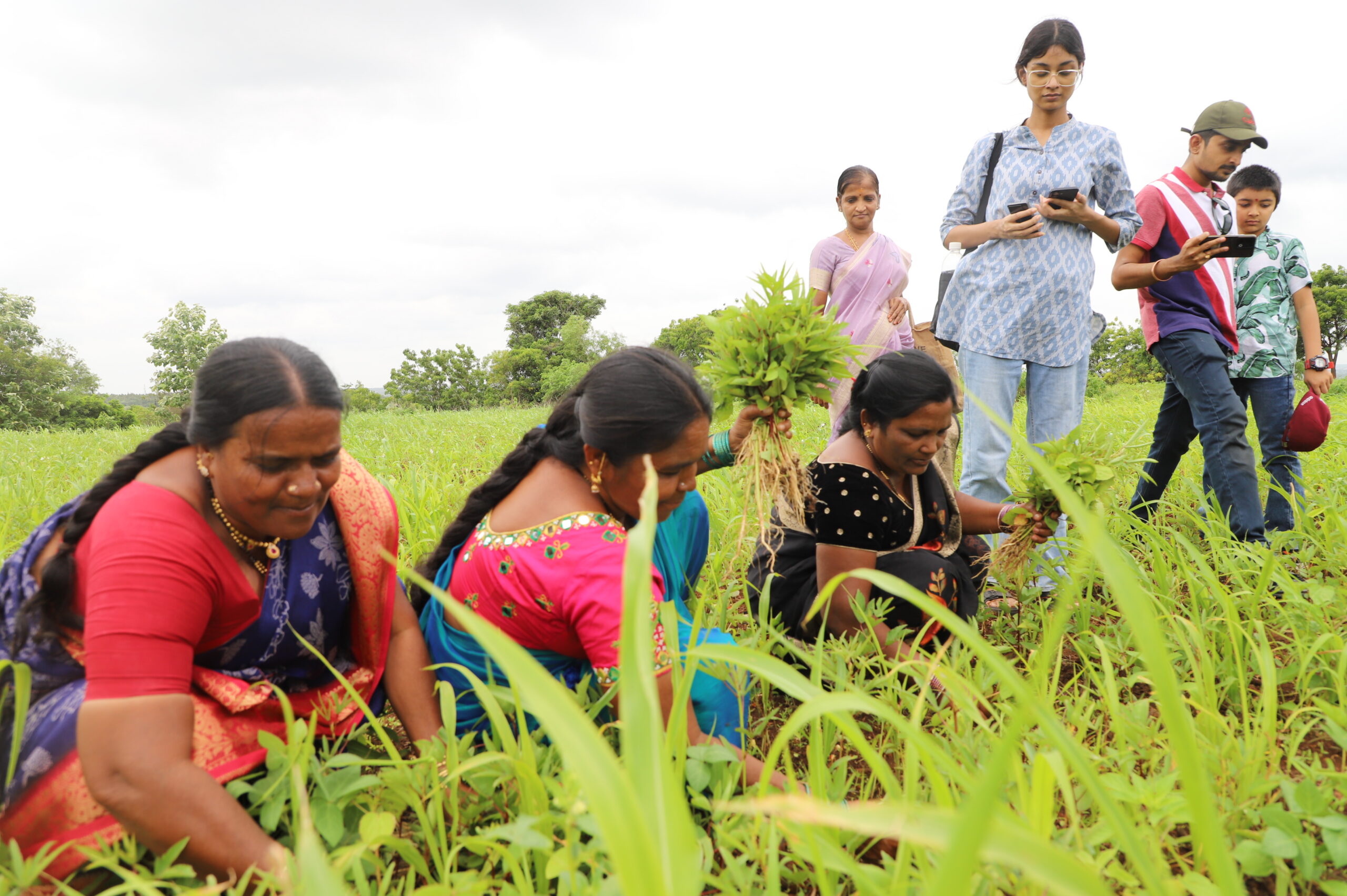
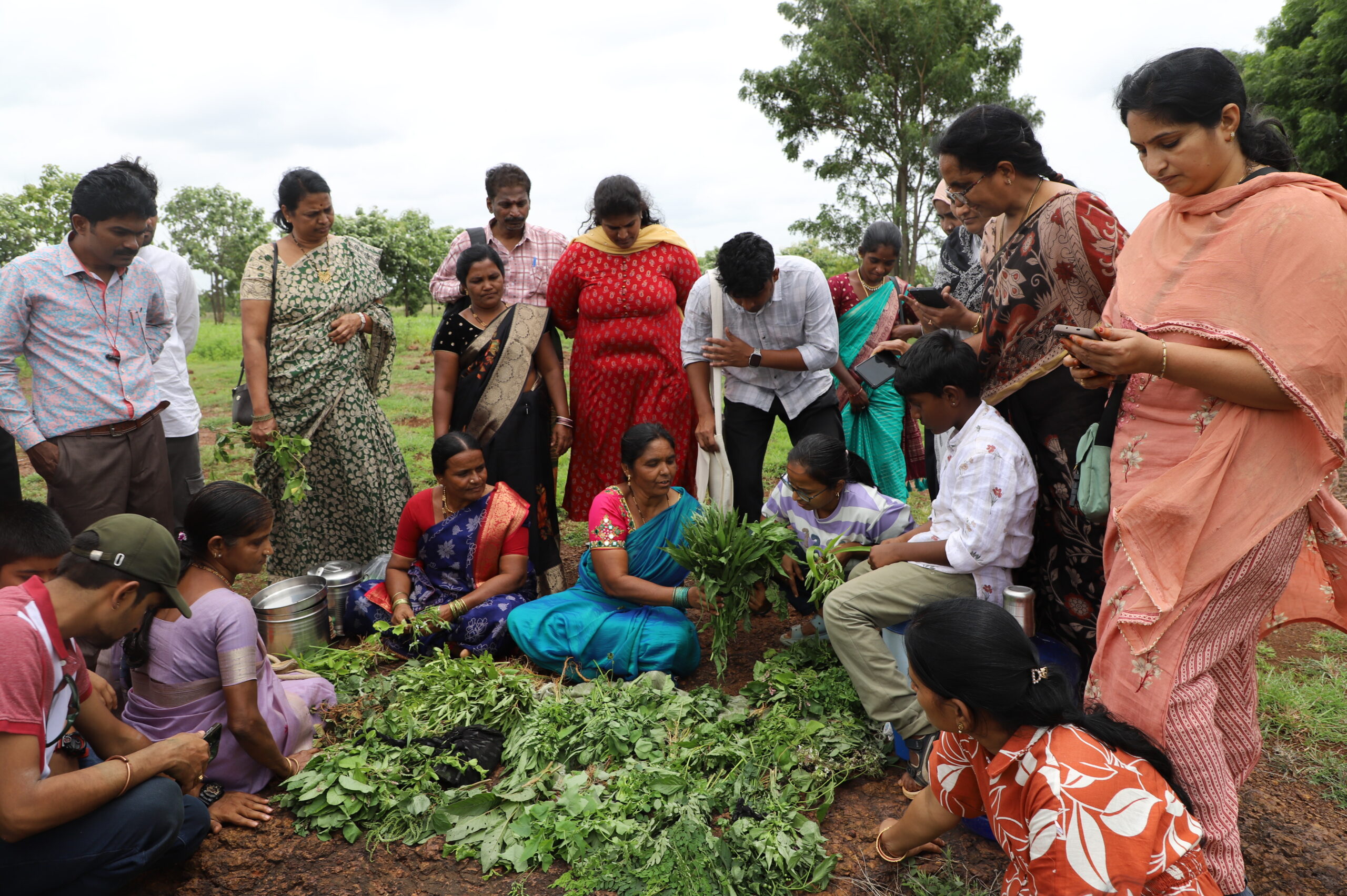
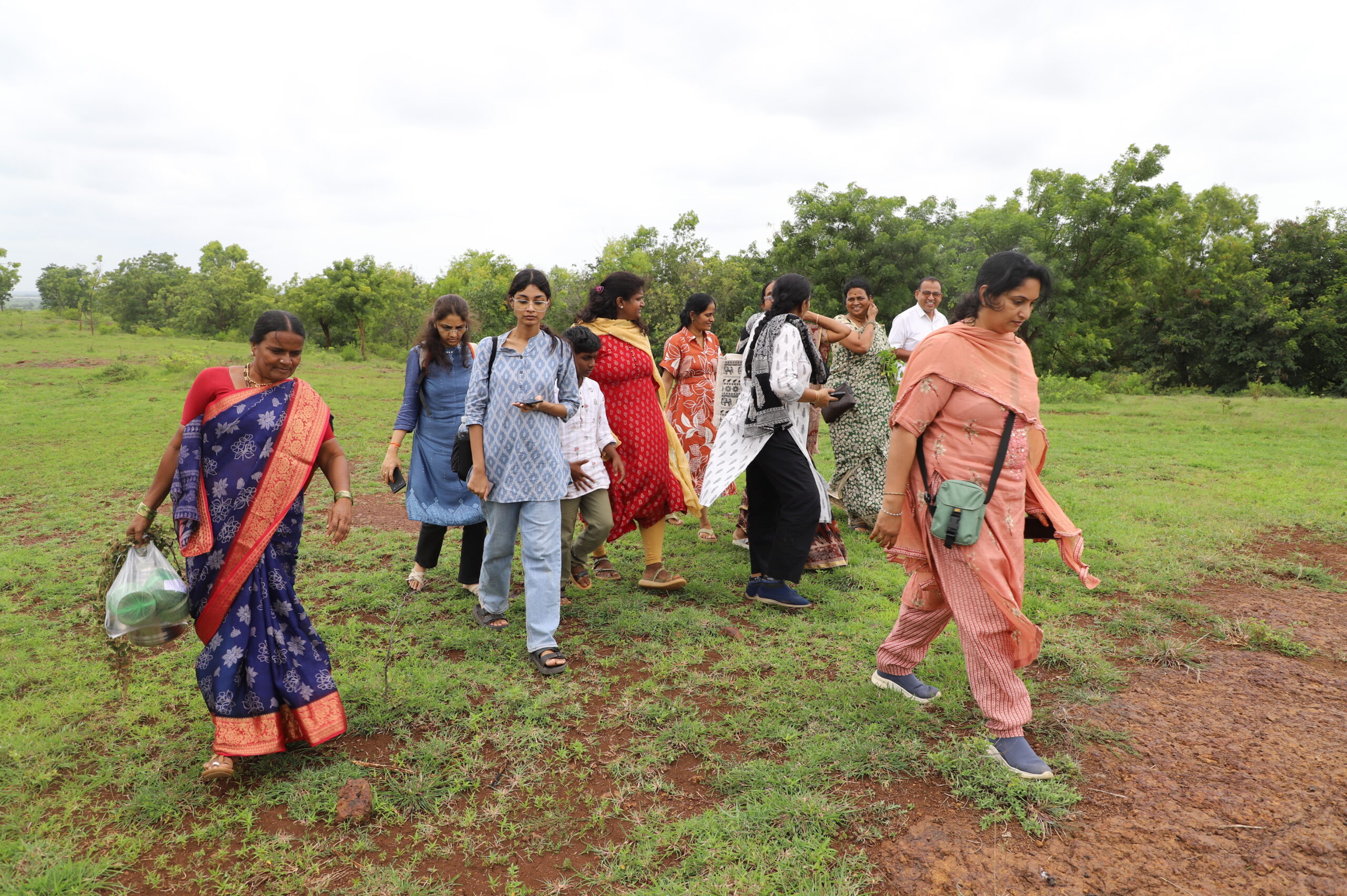
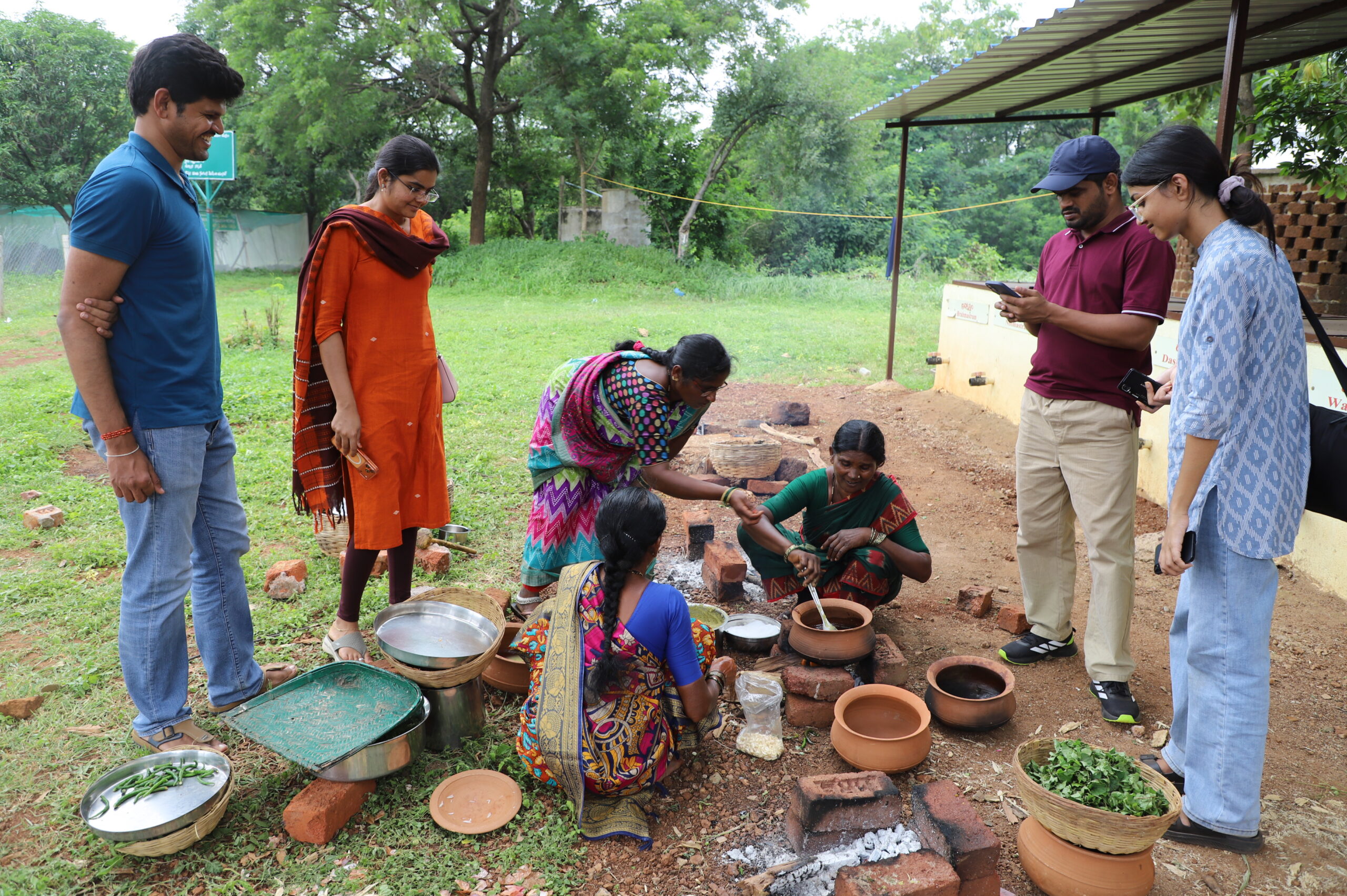
The two groups travelled to the villages of Potpally and Jarasangam. In the fields, women farmers walked the visitors through the plants growing around them. They explained how each leaf is recognised, when it is gathered and how it is used in everyday cooking. Many of these greens grow on their own, without seeds, sprays or special care, and families have relied on them through lean seasons. The visitors asked questions, handled the leaves and heard how this knowledge has passed from one generation of women to the next.
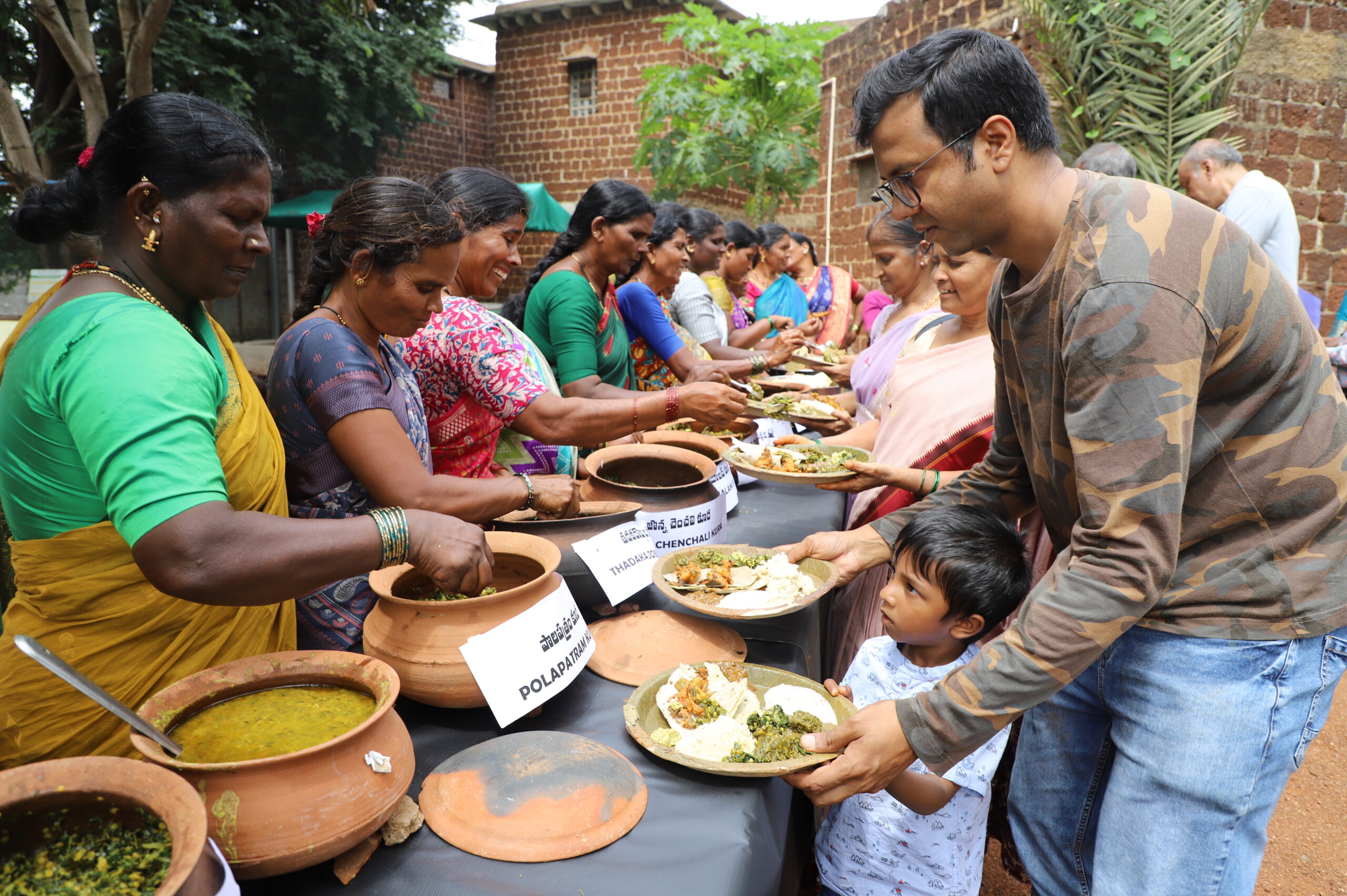
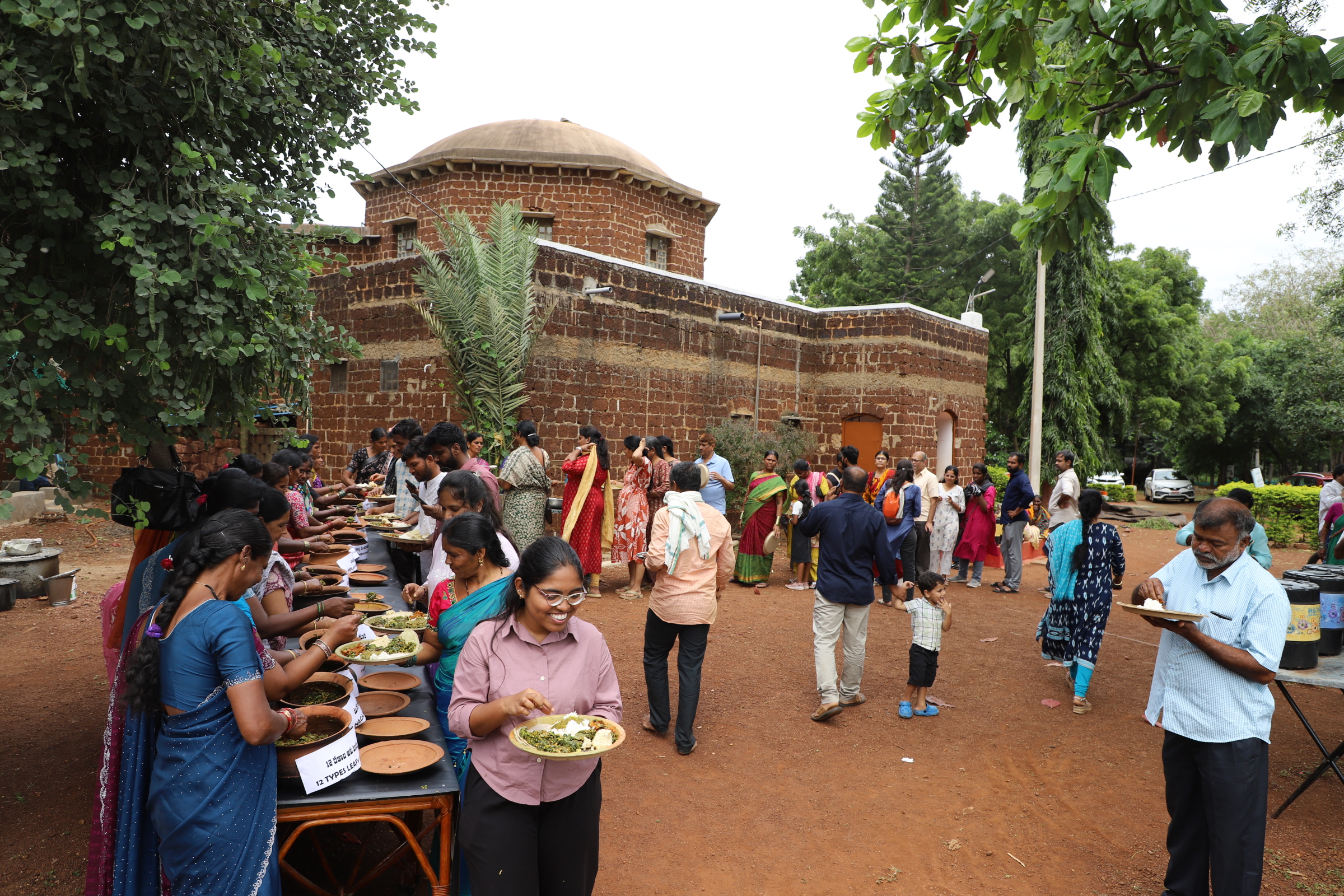
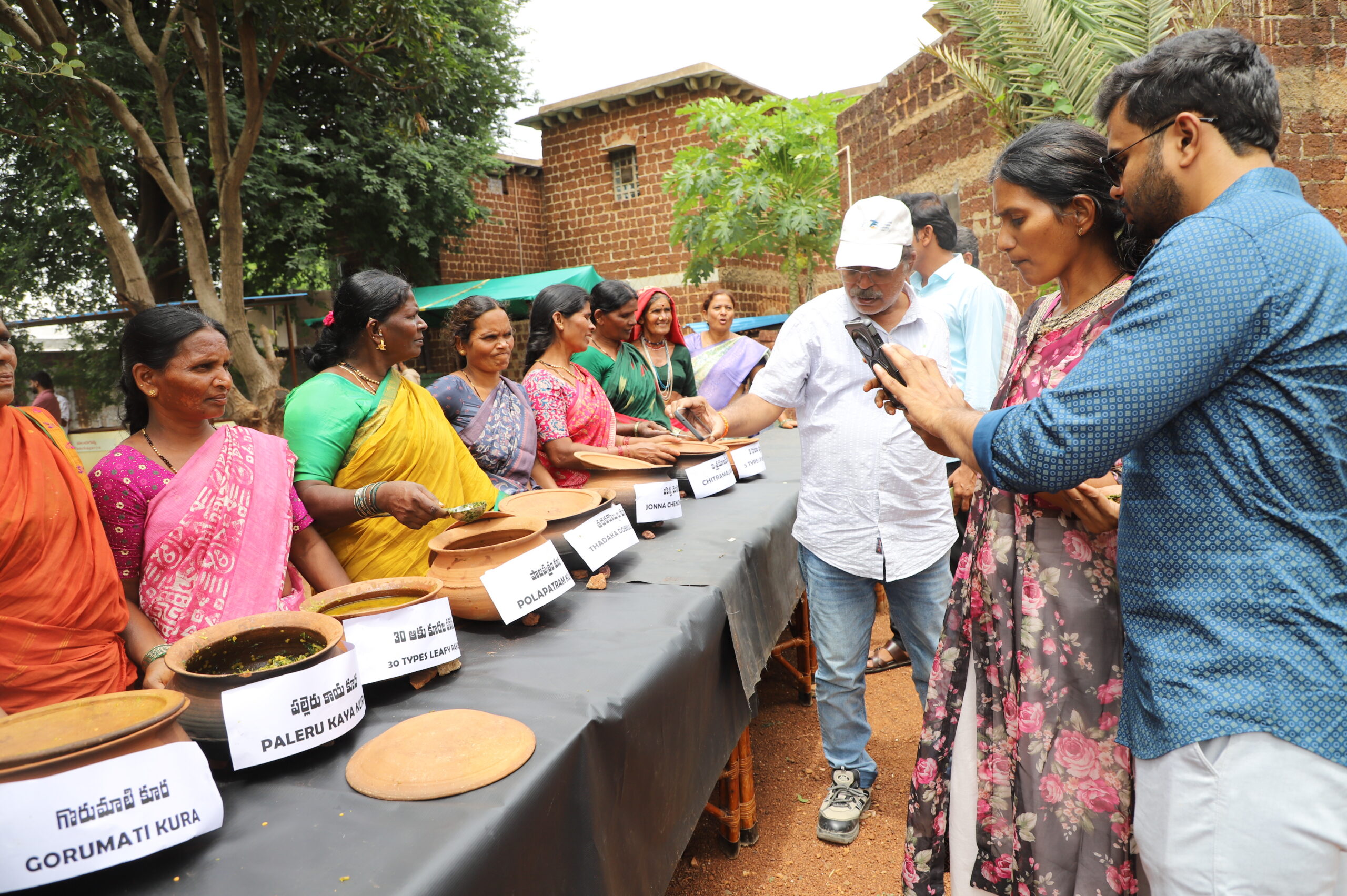
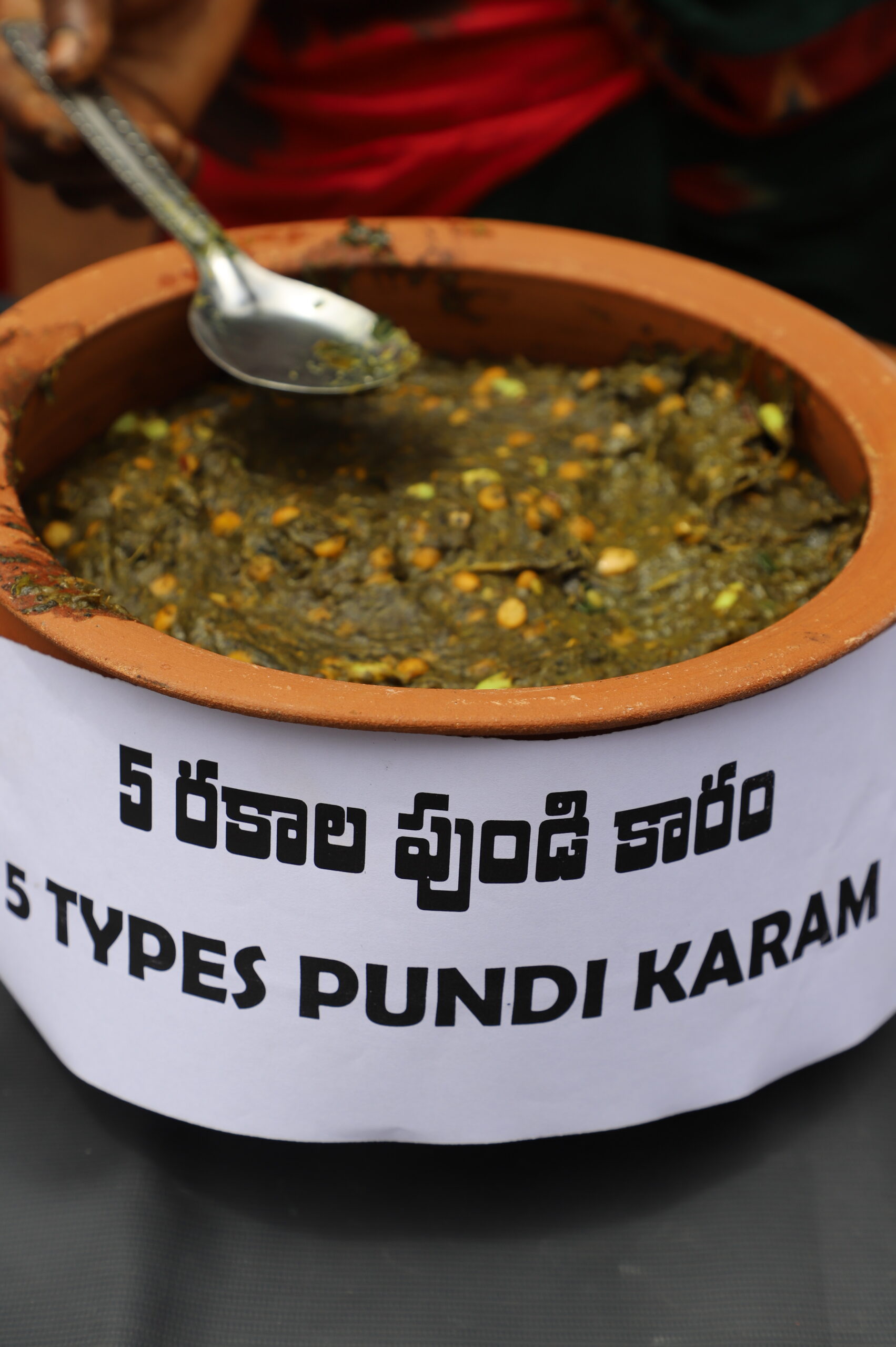
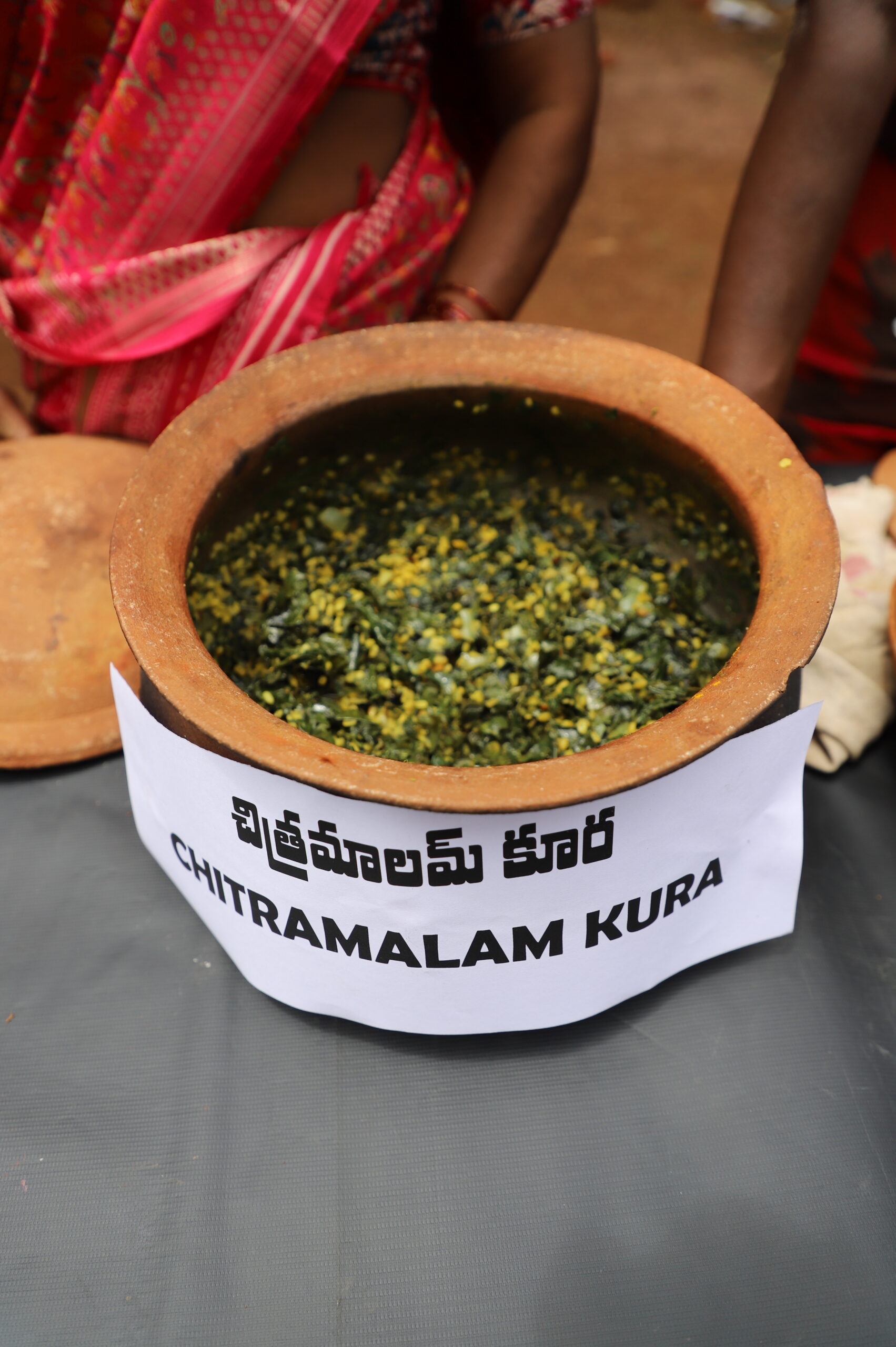
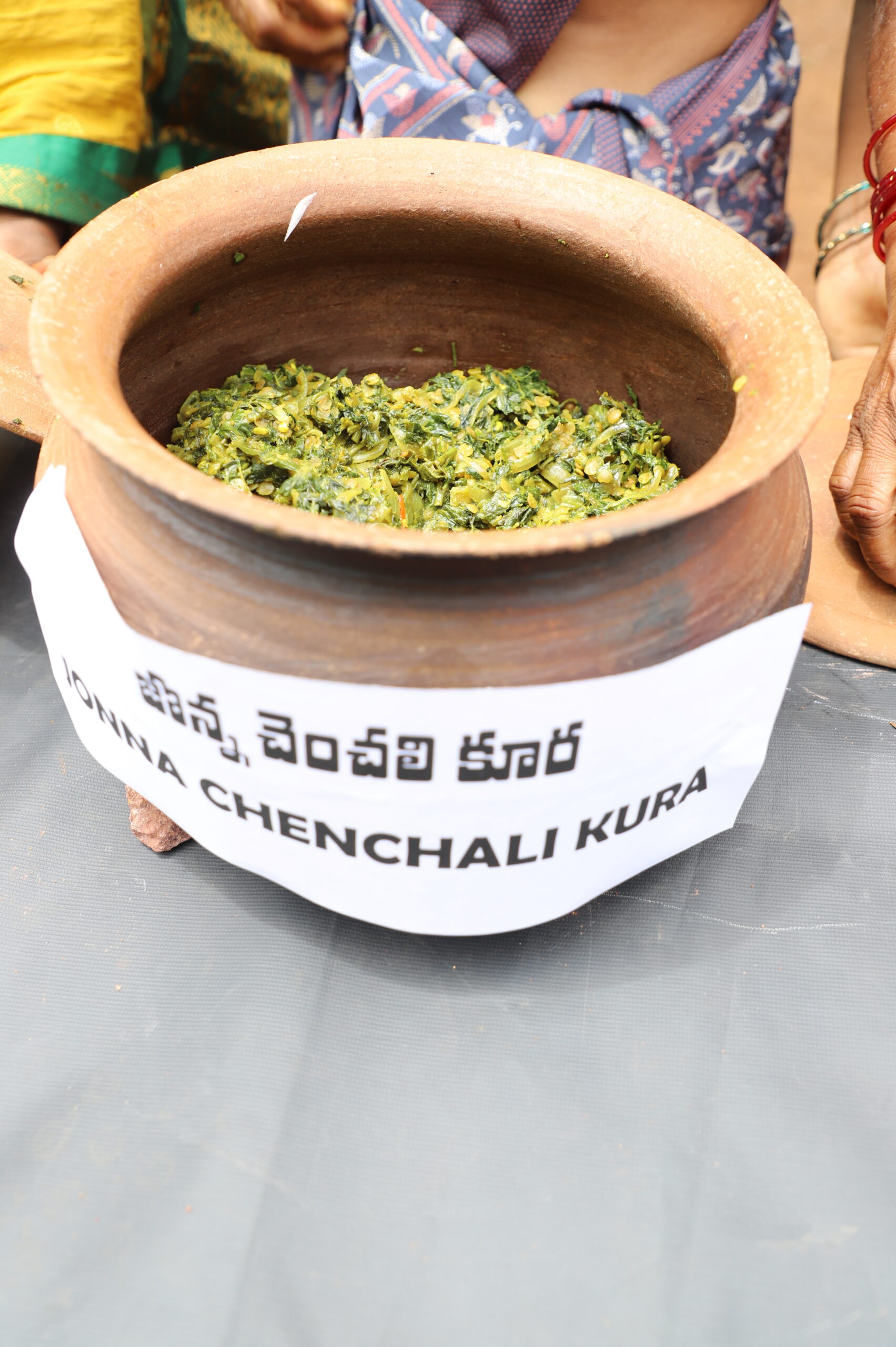
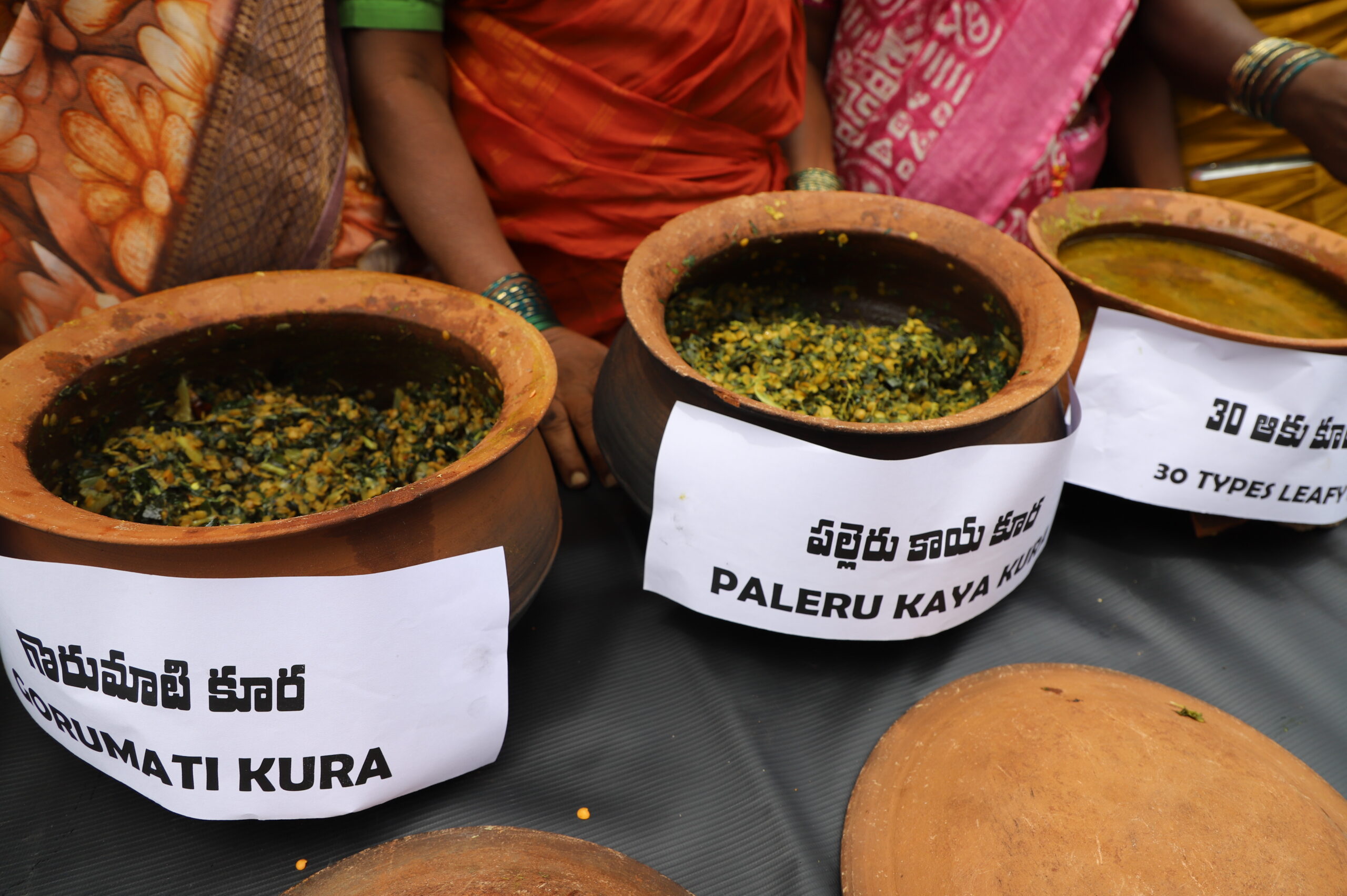
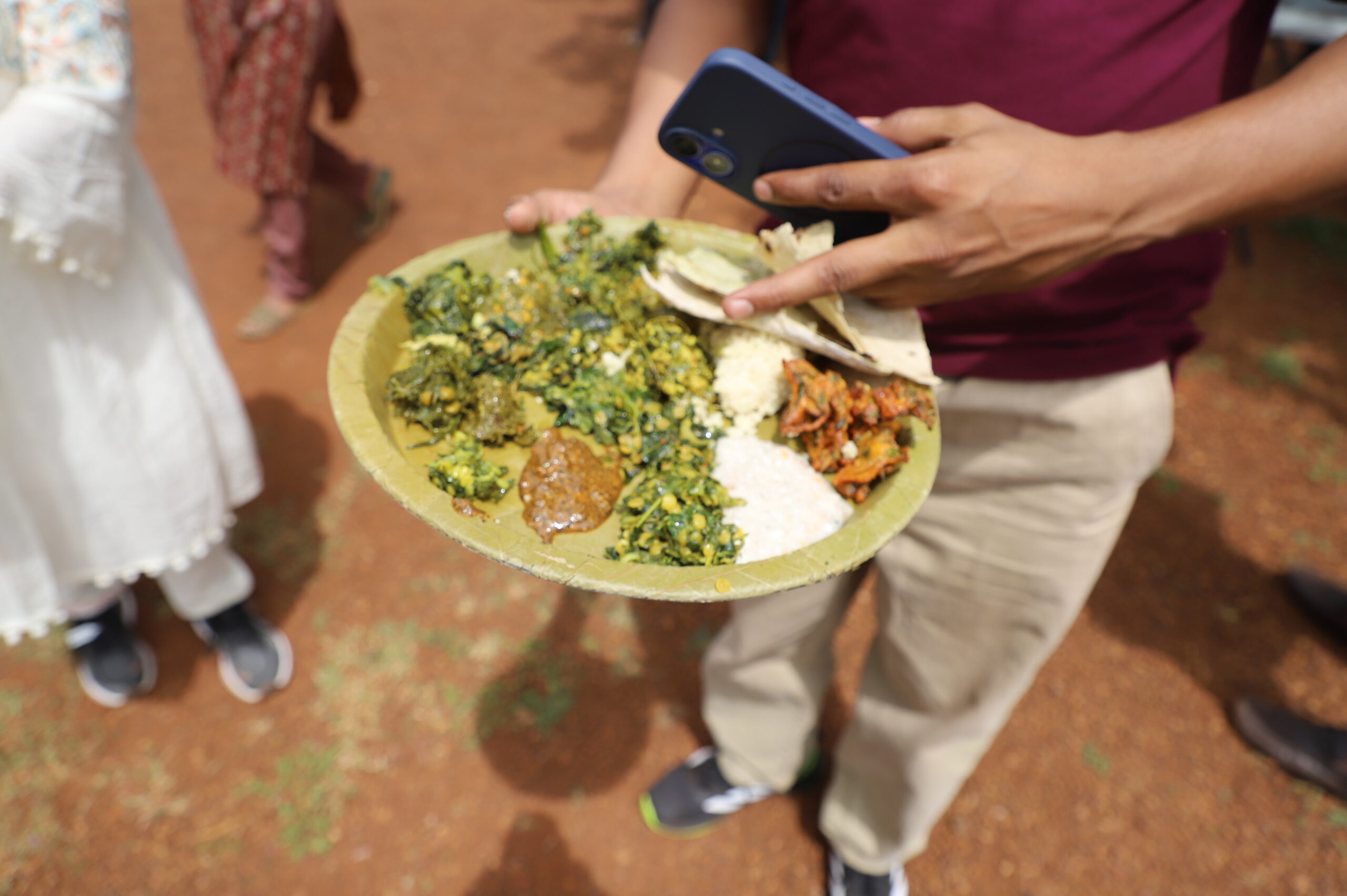
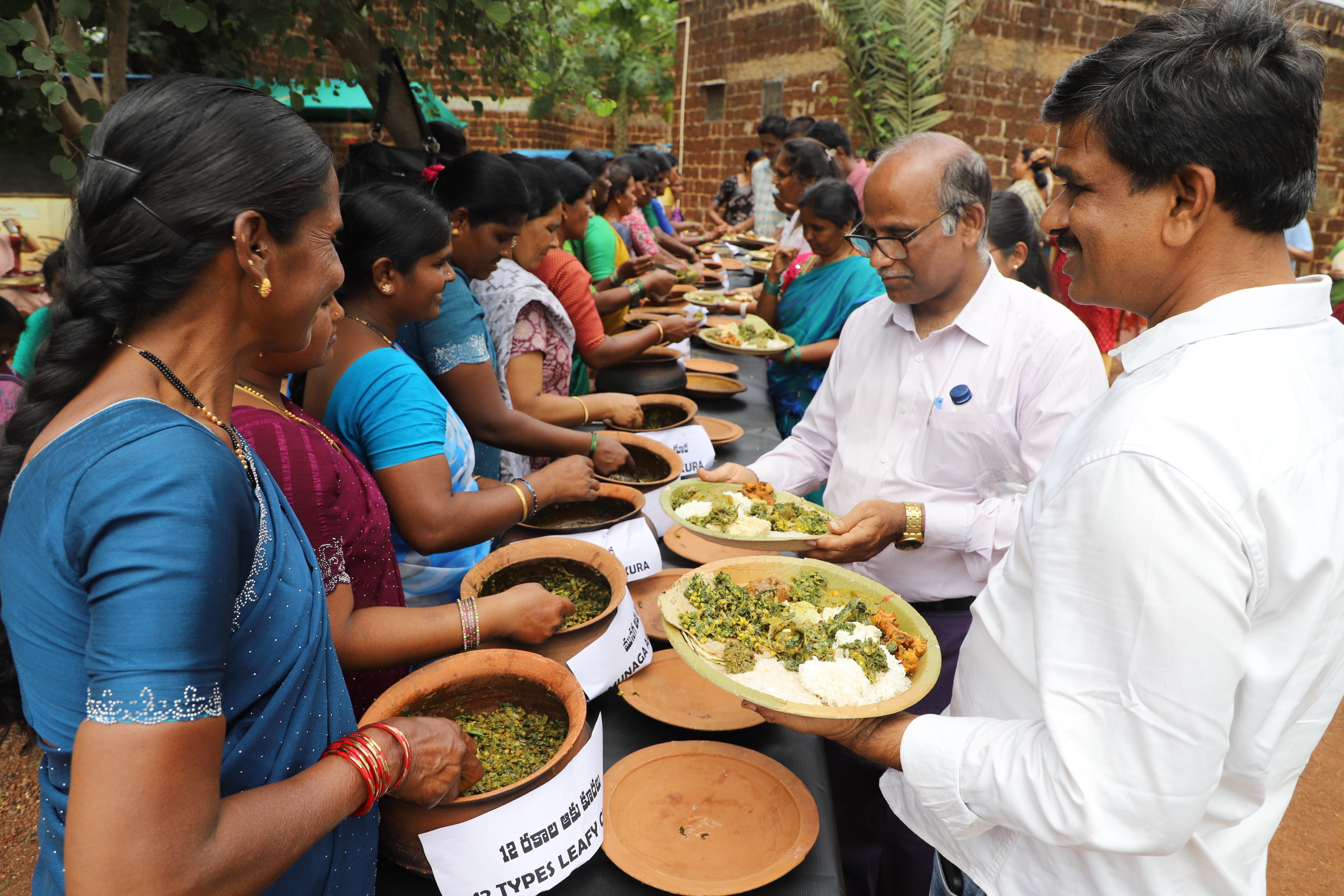
At the DDS Krishi Vigyan Kendra (KVK) in Didigi, everyone sat down to a community lunch of millets with about 25 varieties of leafy greens cooked as curries. Each curry had its own taste, texture and character, and for many city visitors it was the first time they had tasted so many kinds of greens in a single meal. The lunch made the point of the day plainly: food gathered from uncultivated plants can be both nutritious and delicious.
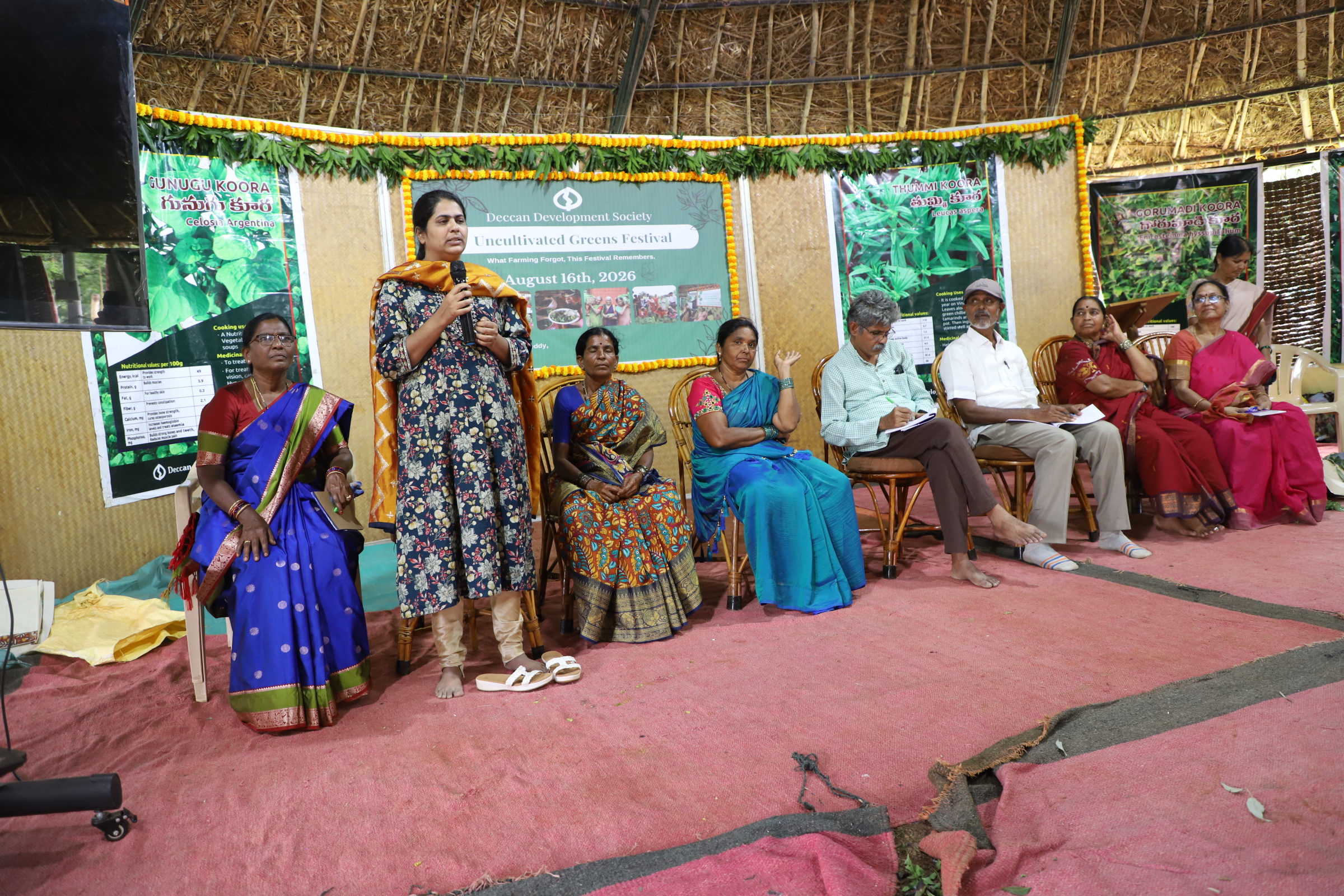
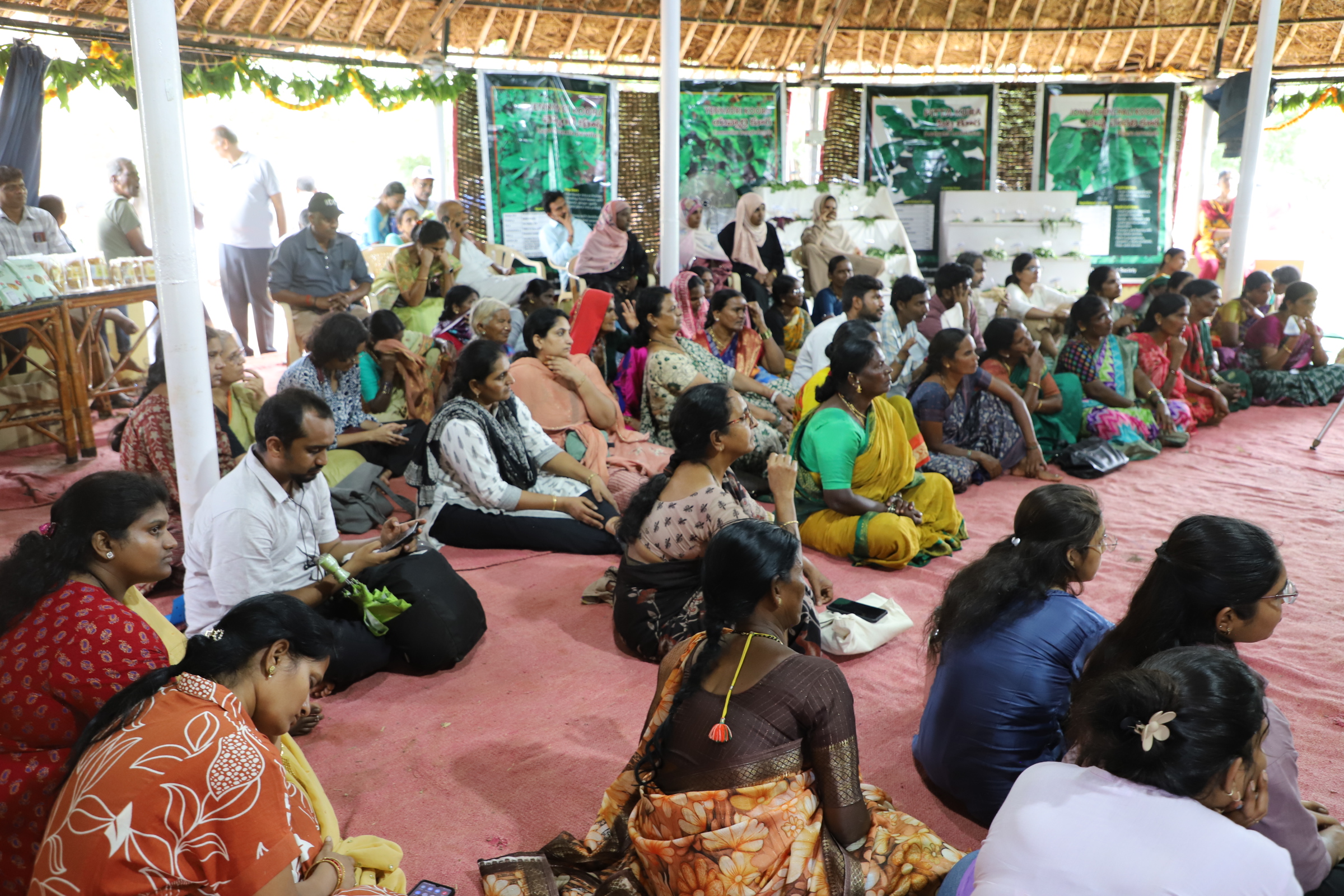
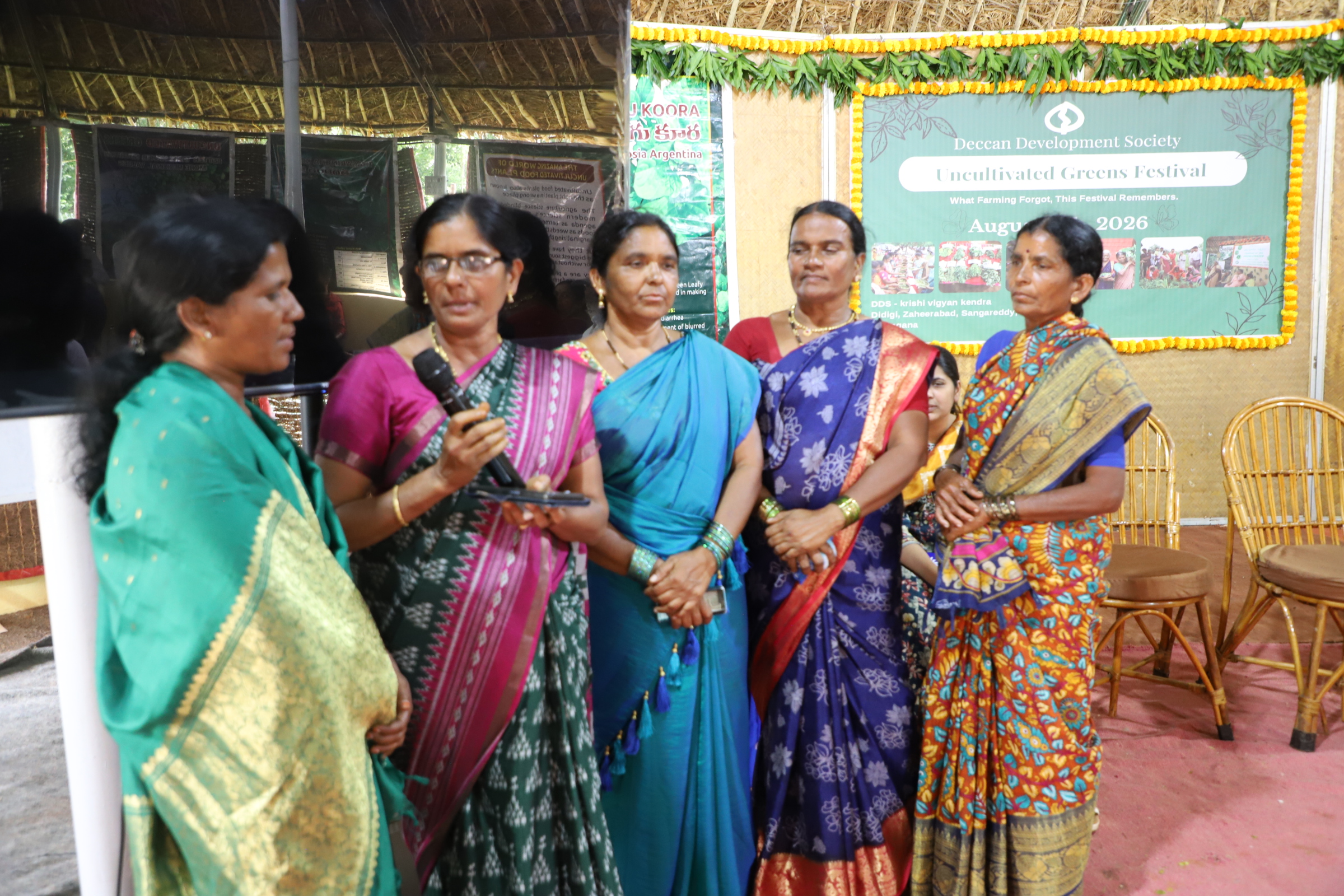
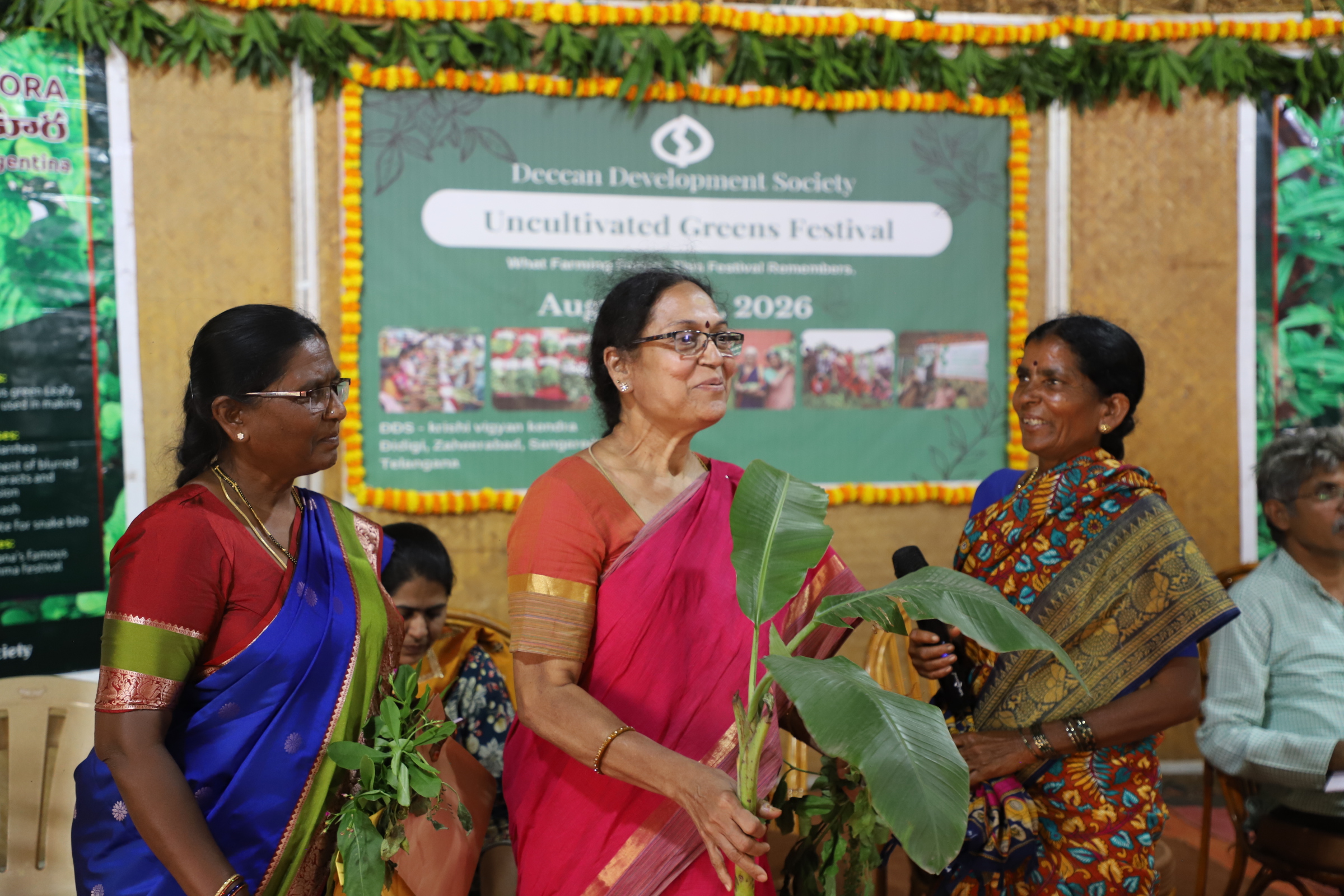
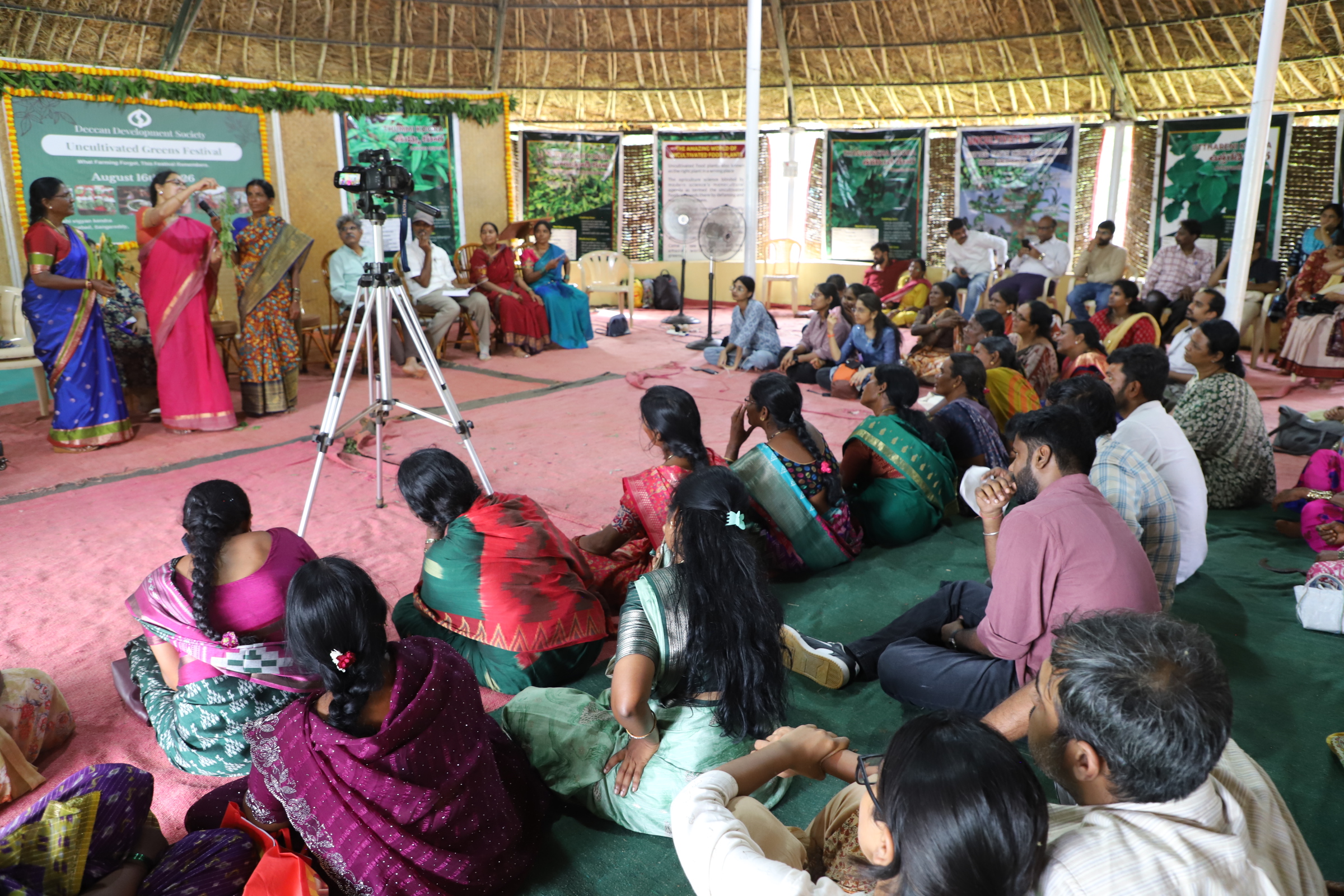
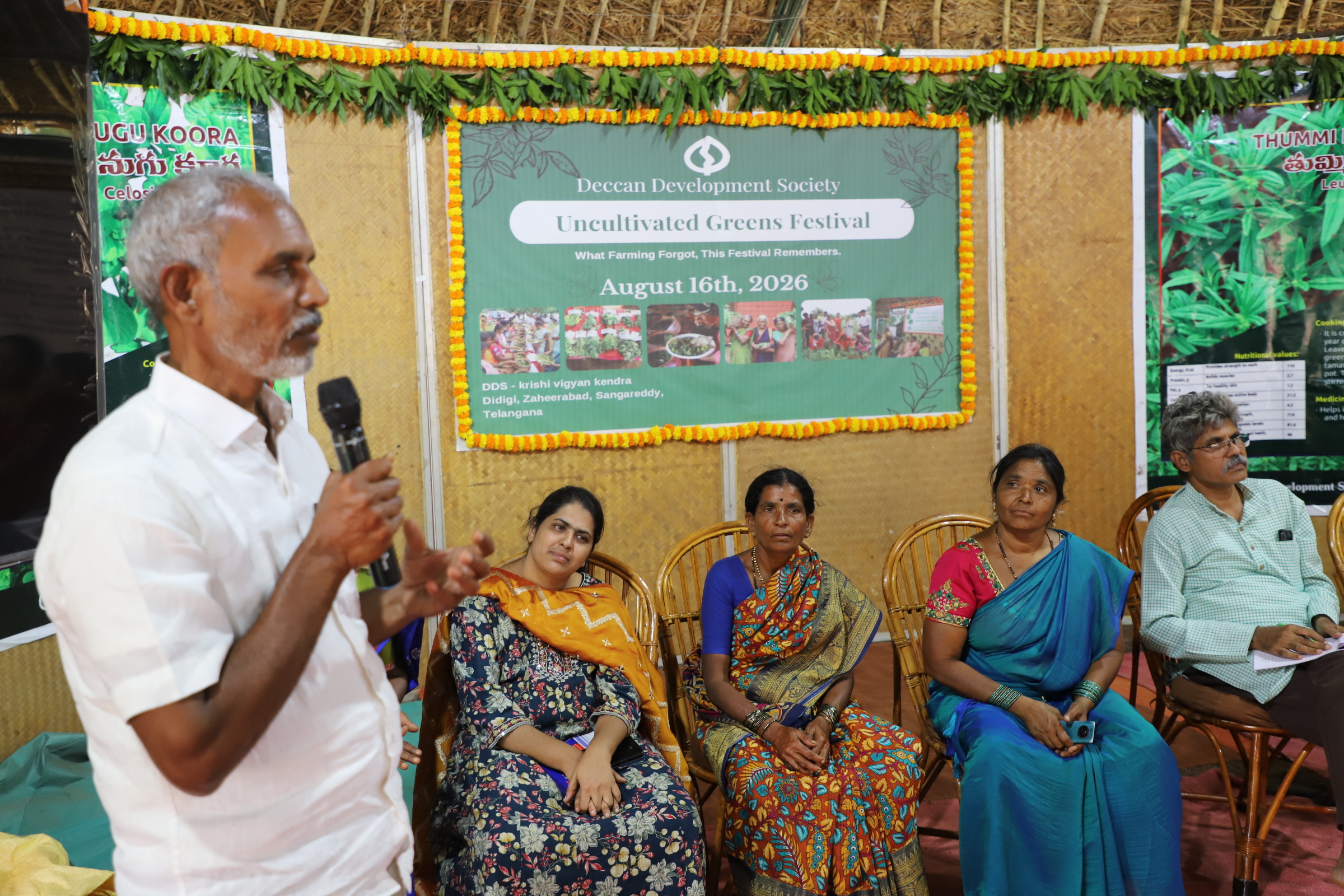
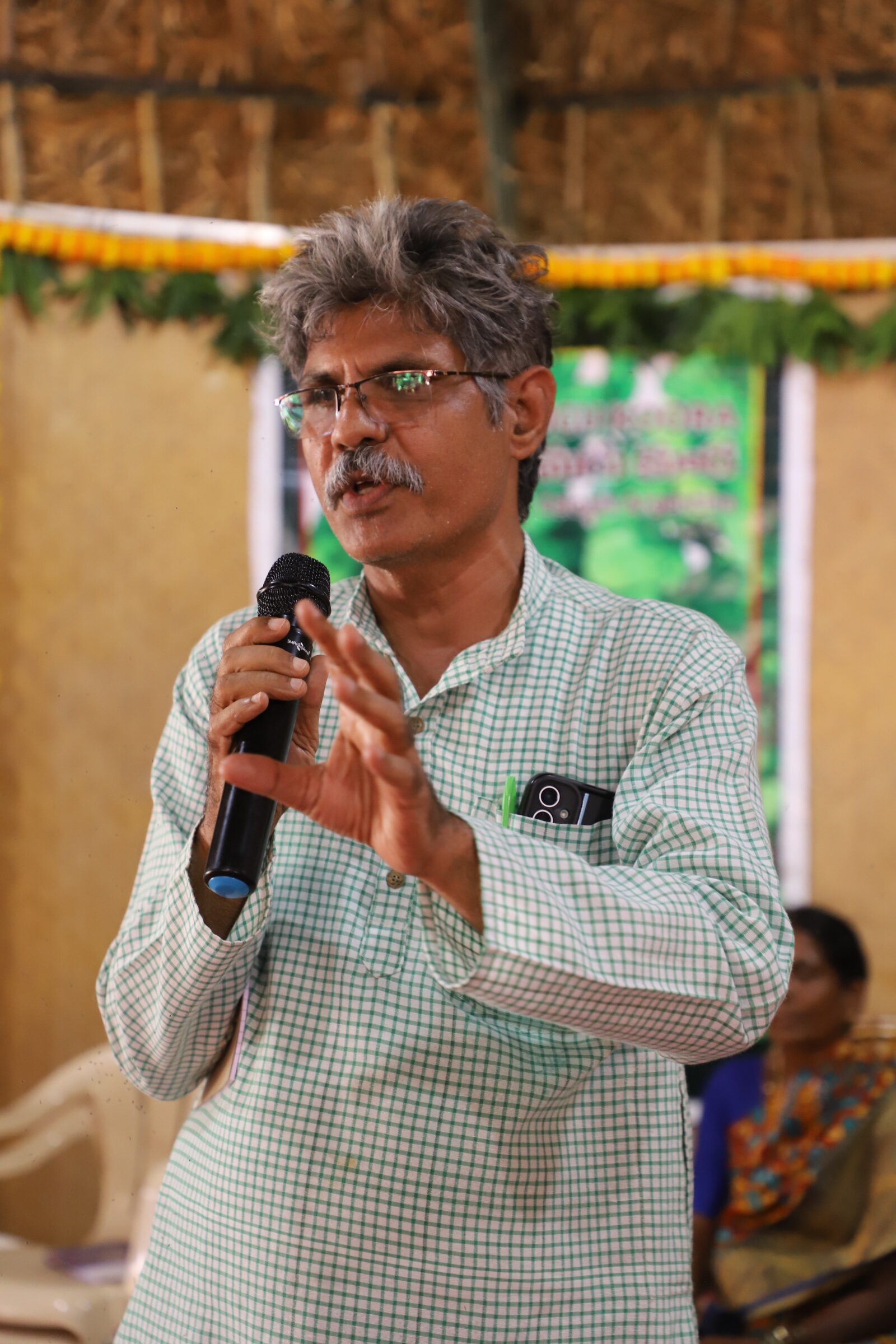
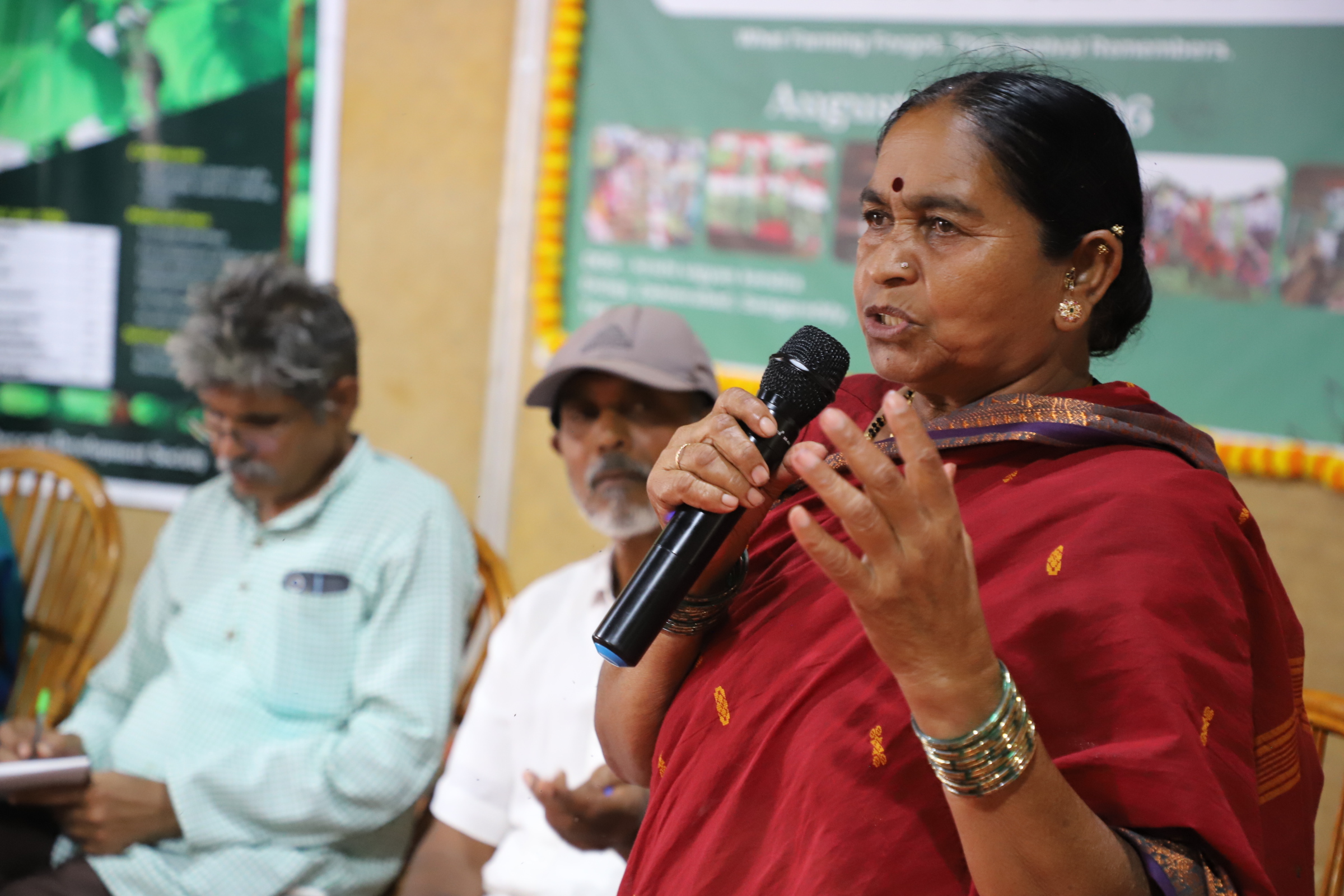
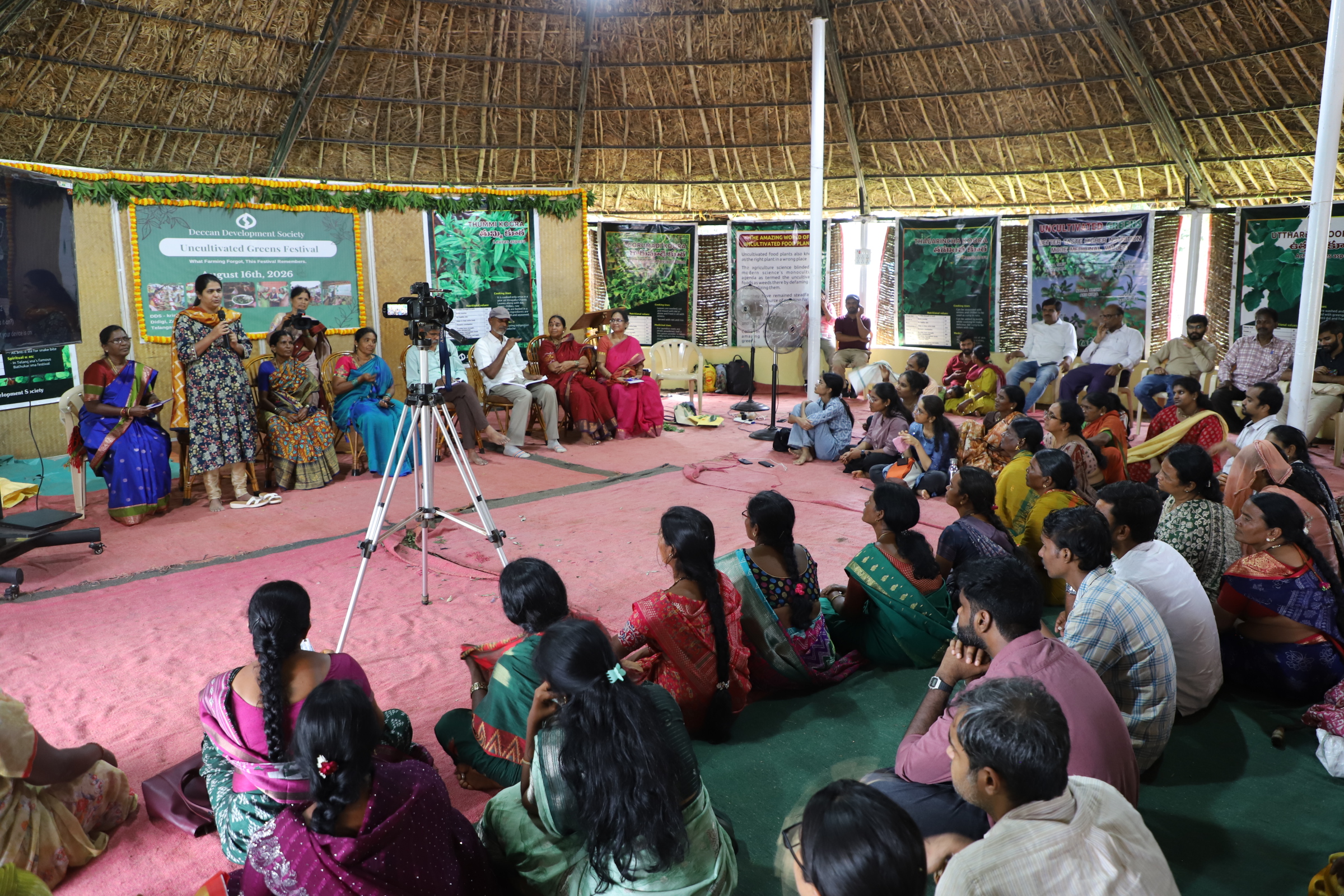
The afternoon was an open conversation at the KVK. Participants shared their thoughts and questions with experts, scientists and the women farmers themselves, and discussed how these greens could find a place again in everyday diets. Leafy greens are an affordable source of daily nutrition, and eating a wide variety adds diversity to the plate. For small farming families, greens that grow without purchased inputs are also a dependable source of food. Many of these plants are pulled out as weeds, so recognising their value helps protect the plant diversity that traditional farming has long sustained. Above all, the festival showed that knowledge of which leaf to pick, and how to cook it, sits largely with women farmers, and that sharing it directly with visitors helps keep it alive and respected.
The festival also gave urban participants a new relationship with what they eat, by connecting them with the hands that grow and cook this food. DDS thanks all the participants, the women farmers of Potpally and Jarasangam, the experts and scientists who joined the discussion, and everyone who helped make the day possible.